The next phase will be decided by maintenance, governed data, human-centered identity,
and legitimacy that code alone cannot reproduce.
I want to end with a hidden gem that is rarely raised at East Asian cooperation
events. In some communities, people call it “breaking the armor.”
Taiwan has domestic model efforts such as TAIDE, but its speed and resources remain
difficult to compare with China. Chinese open-weight models are improving rapidly,
while political censorship may appear in hosted services, post-training, weights, or
derivative versions. Recent research finds substantially more refusal and information
suppression when China-origin models answer Chinese political questions.
“Breaking the armor” is community slang for identifying and crossing model
guardrails. I am not interested in a universal jailbreak trick. I care whether
political censorship can be measured, located, and corrected in public. Taiwan is a
Chinese-language democracy affected by foreign information manipulation. It can build
Chinese test sets and compare cloud services, open weights, and fine-tunes, turning
invisible defaults into democratic research.
Technical collaboration between civil societies across the Taiwan Strait is extremely
rare, even rarer than Taiwan-Japan-Korea cooperation. It should not be romanticized,
but it belongs on the research agenda.
Beyond that, I will watch five developments. First, how many new DCI projects are
maintained and produce real impact? Second, I expect more local and customized tools.
Less than two days after Live Deck Kit was published, someone had forked it and tested
an improvement at a real event. Third, fields with mature data governance will
progress with higher quality, including DNS-RPZ procedures, FIMI and platform
governance, and city dashboards. Open-data policy therefore remains essential.
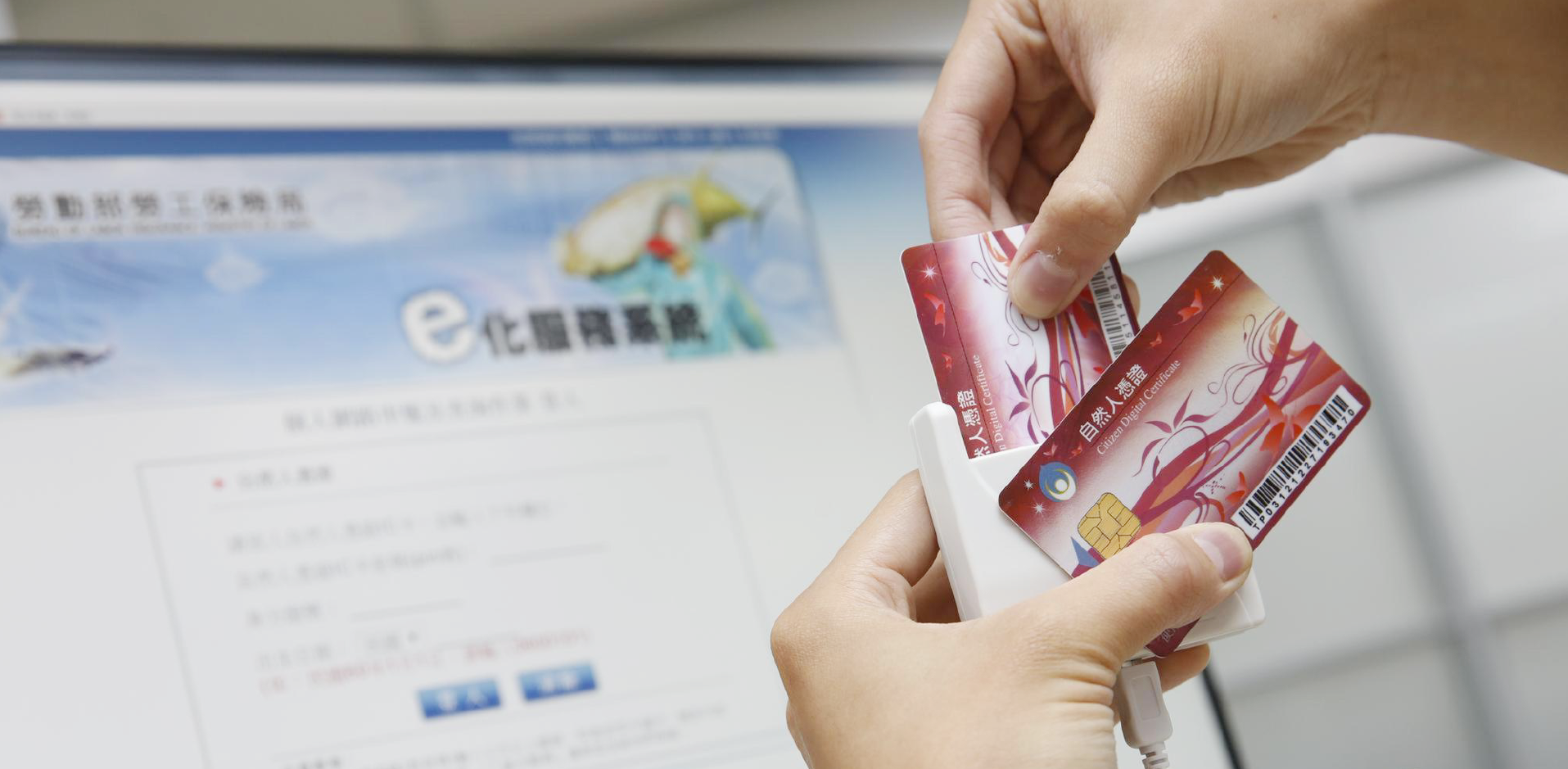
Fourth, human-centered digital identity, wallets, and minimal disclosure will matter
more. Societies must decide how people prove standing without submitting to one
platform’s constant tracking. Fifth, collective projects that require long-term trust
will become more valuable. Code and content can be forked. Legitimacy, governance
relationships, and shared memory do not automatically come with the copy.
AI is lowering the cost of building tools. Trust, maintenance, and people willing to
take responsibility remain scarce. That is the real challenge for the next phase of
digital civic infrastructure. Thank you.
[Sources]
https://academic.oup.com/pnasnexus/article/5/2/pgag013/8487339
https://www.sciencedirect.com/science/article/pii/S0020025525008357
https://taide.tw/
https://github.com/mashbean/live-deck-kit
https://github.com/mashbean/live-deck-kit/pull/2